


When temperatures start to drop, a glass of cold water can lose some of its appeal. Instead, we reach for a steaming cup of tea, a comforting herbal infusion or another coffee to get through the afternoon. Hot drinks naturally become a bigger part of our daily routine during the colder months. But here's a question worth asking: do they actually help keep us hydrated?
The short answer is yes! Tea, coffee and herbal infusions all contribute to our daily fluid intake. There are a few things to keep in mind, though, particularly when it comes to caffeine, added sugar and drinking habits.
Tea and herbal infusions: great options for colder days
Good news for tea lovers: a cup of tea absolutely contributes to your daily fluid intake. Although tea contains caffeine, the water it provides generally outweighs its mild diuretic effect when consumed in typical amounts.
Herbal infusions are another great option, especially if you're looking for something caffeine-free. Peppermint, chamomile, ginger and rooibos offer plenty of flavour without requiring added sugar. They're an easy way to bring a little variety to your hydration routine.
Try making yourself a cup in the middle of the afternoon, perhaps when you'd usually reach for another drink. It's a simple way to take a break while adding more fluids to your day.
What about coffee? Does it count?
You've probably heard that coffee is dehydrating. The reality is a little more nuanced. Coffee contains caffeine, which can have a diuretic effect, particularly for people who don't regularly consume it or who drink large amounts.
However, the water in your cup of coffee still contributes to your fluid intake. So no, your morning coffee doesn't count as zero!
That said, relying exclusively on coffee isn't the best way to build a balanced hydration routine. Try alternating it with water, tea or caffeine-free herbal infusions throughout the day.
Soups and broths provide fluids, too
Soups and broths naturally make their way back onto the menu when the weather gets colder. They're comforting, easy to prepare and can contain a considerable amount of water.
Vegetable-based soups, for example, provide fluids along with a variety of nutrients. They don't replace the need to drink throughout the day, but they do contribute to your overall water intake, just like many fruits and vegetables.
A homemade soup for lunch or a warm broth after an outdoor walk can be a delicious way to add more fluids to your diet.
Watch out for drinks with lots of added sugar
Not all hot drinks are created equal when it comes to nutrition. Flavoured coffees, hot chocolates made with plenty of sugar and specialty café drinks can contain significant amounts of added sugar.
There's no need to give up your favourite seasonal treat altogether. The idea is simply to avoid making sugary drinks your main source of daily hydration. Water and unsweetened beverages remain easy, everyday choices.
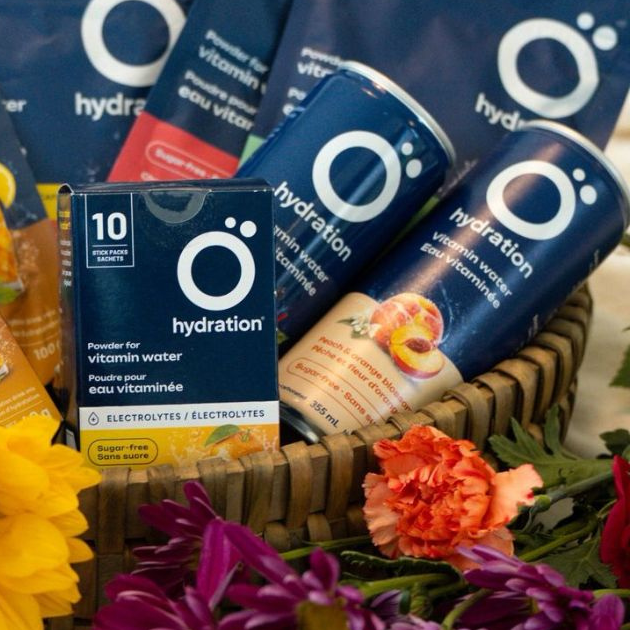
If you enjoy switching up your flavours, Ö HYDRATION's ready-to-drink beverages can also bring some variety to your routine when you're in the mood for something other than plain water.
Finding the right balance throughout winter
Plain water remains an excellent foundation for hydration, but it's not the only source of fluids. Tea, coffee, herbal infusions, soups and certain foods all contribute to your daily intake.
The key is to enjoy a variety of options, pay attention to your individual needs and avoid waiting until you're very thirsty before having a drink. During the colder months, a warm cup of tea can absolutely be part of your hydration routine. And if it gives you a reason to slow down and enjoy a little break during a busy day, even better!


