


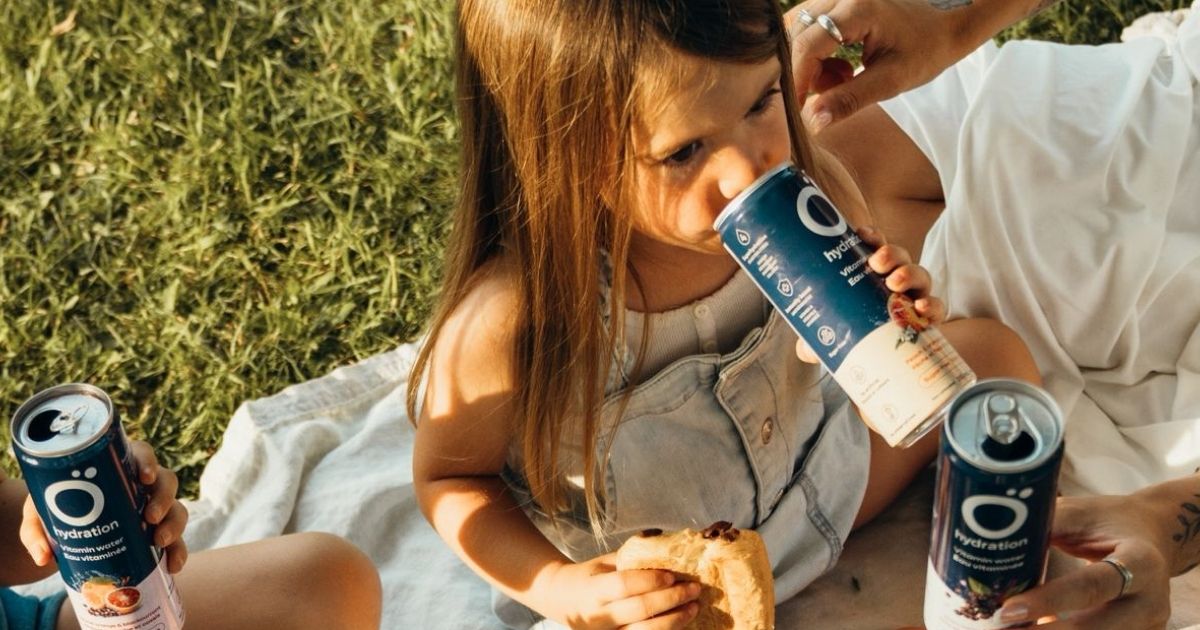
Have you ever noticed how quickly a child will sip juice, milk or even a sweetened drink — but barely touch plain water? It’s more common than many parents realize. In fact, several studies and hydration guidelines show that children often do not meet the recommended daily fluid intake from water alone, particularly when it comes to plain drinking water.
According to fluid intake recommendations, young children should drink around 880–1600 mL of total fluids per day, increasing with age. That’s a lot more than what we sometimes observe in real life: some surveys show that many children may only be sipping water sporadically throughout the day — far below the amount their bodies typically need.
But why does this gap exist? And more importantly, how can families gently help children build better hydration habits?
Why children drink too little water?
Kids are notoriously poor judges of thirst. They’re often distracted, engrossed in play or school activities, and simply not attuned to their body’s quieter signals. Unlike adults who may carry reusable bottles or track hydration during workouts, children rarely think about drinking unless prompted. That’s a real issue, because adequate hydration supports digestion, joint health, energy regulation, concentration and even mood — all essential ingredients for a happy, active childhood.
Beyond that, sugary drinks and juices often taste more appealing to the young palate than plain water. While those beverages do provide some fluid, they come with added sugars and calories parents often want to limit.
Practical ways to help kids drink more water
The key isn’t nagging or forcing water down them. It’s subtle, consistent cues that make drinking water part of their daily rhythm.
1. Make water readily available
A fun, reusable bottle that they choose themselves makes a huge difference. Something like an Ö Hydration reusable bottle — lightweight, stylish and easy to carry — encourages repeated sipping throughout the day, whether they’re at school, on the playground or just in the backyard.
2. Pair water with habits they already have
Offer a drink before each meal, after playtime and when they come inside from outdoors. These simple cues help shape automatic intake without pressure.
3. Make water feel fun
Infuse water with natural flavours so that what might otherwise feel “boring” becomes a flavour they associate with refreshment and enjoyment.
4. Educate without lecturing
A light explanation — “Water helps your brain stay sharp for school!” — can motivate kids more than adults realize. Positive framing goes a long way.
Hydration for all ages
While specific quantities depend on age and activity level, the overarching message is clear: water needs to be a steady part of a child’s day. Whether that’s a preschooler with 4–5 cups of fluids or an older kid with 6–8 cups, the goal is to look at fluid intake as a lifestyle rather than an occasional “remember to drink” moment.
Helping kids drink more water now sets habits that last a lifetime — a simple foundation for better health that begins with repetition and gentle encouragement.


